Read This Before Hiring an Insulation Contractor in Saskatchewan
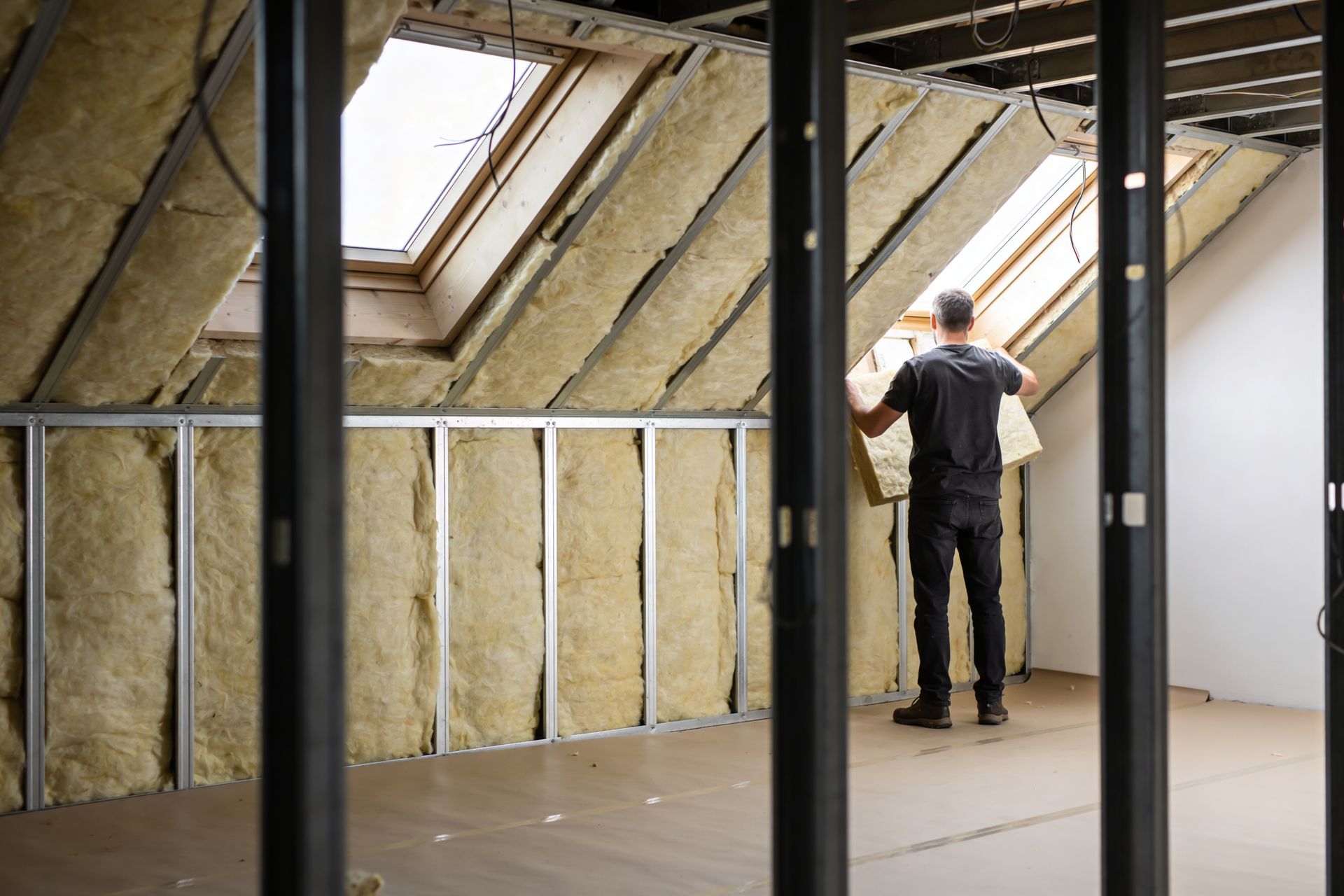
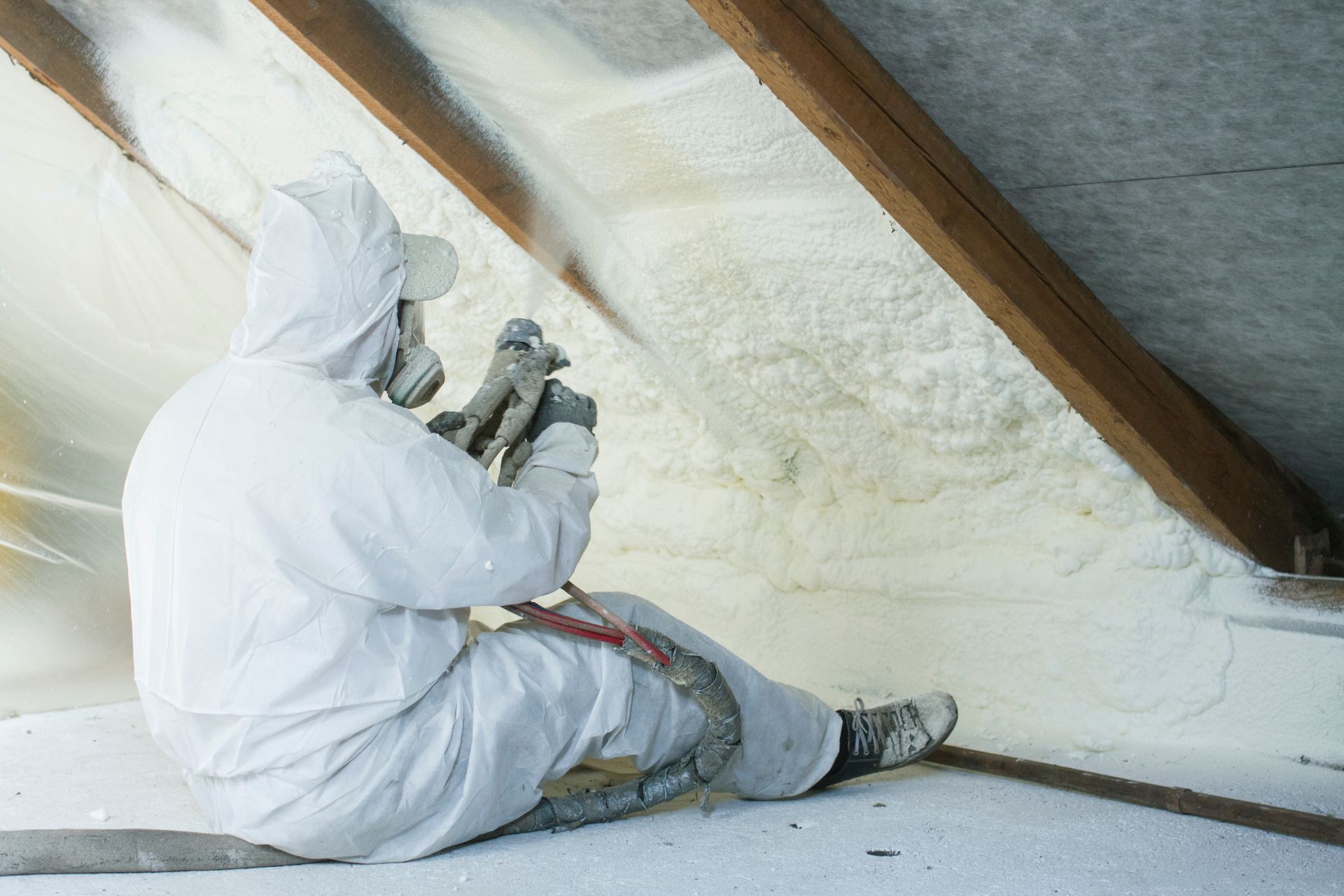
Upgrading your attic defense against the cold is a smart move for any property owner. Many homeowners rush into hiring the first available crew when utility bills start climbing in late autumn. This rushed timeline often results in overlooked details that cost thousands to fix later. The team at DMC Limited knows that poor installation practices often lead to structural rot rather than energy savings. Finding reliable attic insulation contractors Saskatchewan residents can trust requires knowing exactly what goes on beneath the roofline.
Proper thermal protection is a delicate balance of airflow and material density. Adding massive amounts of blown fiberglass without addressing ventilation traps condensation directly against your roof deck. This trapped moisture eventually drips down into ceiling drywall and causes heavy damage. Reviewing these critical details before booking a contractor ensures your home stays warm and dry all winter.
What to Know Before You Book:
- Understanding Vapor Barriers and Air Flow
- What happens if you put too much insulation in an attic?
- Red Flags When Evaluating Providers
- Questions You Must Ask Before Hiring
- Protecting Your Roof Investment
Understanding Vapor Barriers and Air Flow
Most homeowners assume that fixing a chilly house is as simple as piling in more insulating material. The reality is that modern building science relies heavily on controlling where moist air travels. When warm air escapes from your living room into the cold attic space, it hits the freezing roof deck and turns into frost. A proper vapor barrier stops this moisture migration dead in its tracks.
► Failing to seal air leaks before blowing in new fiberglass practically guarantees severe mold growth within two years.
Professional installers focus on sealing ceiling penetrations around light fixtures and bathroom exhaust fans before adding any thermal material. They also ensure your soffit vents remain totally clear to allow fresh air to circulate under the roof deck. Blocking these vents during an upgrade chokes off the airflow and turns the attic into a humid swamp. If you are upgrading your plumbing and heating systems, ensuring those pipes and ducts are properly sealed in the attic is equally critical.
What happens if you put too much insulation in an attic?
Putting too much insulation in an attic creates immediate problems with your roof ventilation. When loose fill material gets blown too high around the roof edges, it buries the baffle vents installed in your soffits. Blocking this fresh air intake stops the attic from breathing, which causes condensation to pool on the underside of your roof sheathing. This trapped moisture rots the wooden trusses and causes asphalt shingles to buckle from excessive heat buildup during the summer.
Red Flags When Evaluating Providers
The barrier to entry for blowing fiberglass is notoriously low. This means many inexperienced operators flood the market during the busy fall season looking for quick jobs. Spotting an amateur operation early protects your property from irreversible moisture damage.
• Skipping Inspections: A contractor who gives a quote without physically climbing into your attic to check for existing mold or blocked vents is cutting corners.
• Ignoring Ventilation: Any proposal that mentions adding material but fails to mention checking your soffit baffles or roof vents is a massive warning sign.
• Overlooking Recessed Lights: Crews that do not build protective boxes around older pot lights risk causing a fire by packing insulation directly against hot fixtures.
Questions You Must Ask Before Hiring
Taking control of the consultation process ensures you hire a team that understands local building science. Contractors who handle interior construction services properly will appreciate a homeowner who asks trade specific questions. Knowing what to ask forces the provider to explain their exact process for your specific house.
• Assessment Process: Do you use a thermal imaging camera to locate hidden air leaks before blowing in the new material?
• Vent Protection: How exactly do you ensure my existing soffit vents stay clear during the installation process?
• Old Material: Will you be removing the existing compressed material, or simply blowing the new product right over the top of the old layer?
Protecting Your Roof Investment
Arming yourself with the right questions filters out the operators who rely on speed rather than accuracy. True home performance comes from addressing the whole system of ventilation, vapor barriers, and thermal density. Securing a comfortable home means partnering with a crew that refuses to take shortcuts in the dark corners of your attic. Reach out to our office to schedule a thorough assessment of your property.