The Honest Truth About Stamped Concrete Patios After Five Years
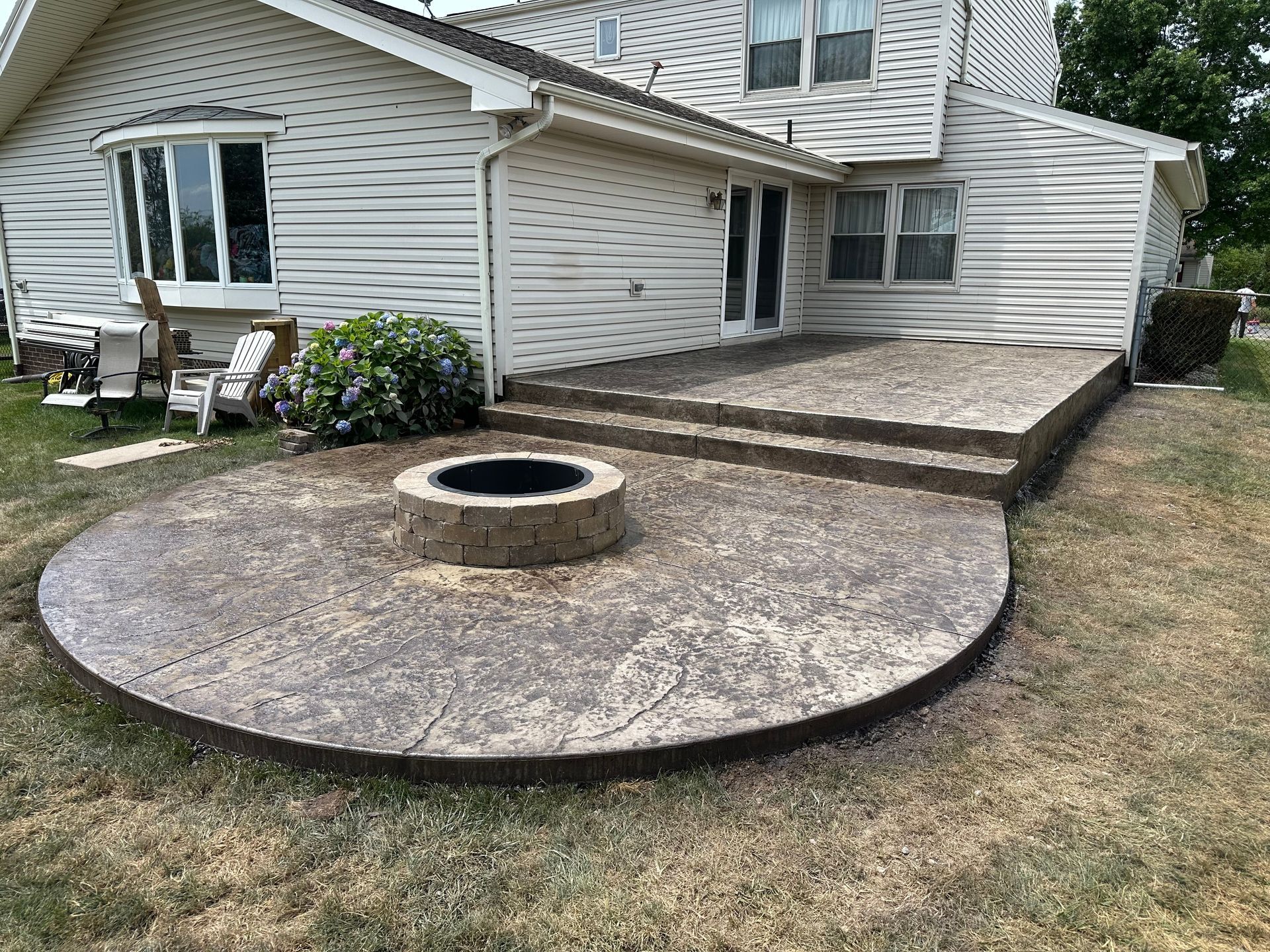
Investing in decorative flatwork adds massive curb appeal to your backyard living space. Homeowners often expect these textured surfaces to remain flawless forever with zero upkeep. The crew at DMC Limited believes in being completely upfront about how decorative pours actually perform over a long timeline. Securing a stamped concrete patio Moose Jaw weather cannot destroy means understanding the real maintenance involved.
A freshly sealed surface looks vibrant and pristine on the day the forms are removed. That bright appearance slowly changes as the material faces heavy sun exposure and freezing temperatures. Setting realistic expectations prevents frustration when the slab inevitably shows signs of aging. Taking a practical look at long term wear patterns helps you decide if this surface fits your lifestyle.
Inside This Article:
- The Truth About Fading and Wear Patterns
- Addressing the Myth of Maintenance Free Finishes
- How Ground Shifting Impacts Your Slab
- Frequently Asked Questions
- Planning Your Backyard Upgrade
The Truth About Fading and Wear Patterns
The rich colors you see in a freshly poured patio come from a combination of integral dyes and topical release agents. Ultraviolet light from the sun constantly beats down on these pigments and slowly breaks their chemical bonds over the years. Patios facing direct southern exposure will experience fading much faster than surfaces shaded by the house. Heavy foot traffic patterns from the backdoor to the barbecue also physically wear down the top layer of colored paste.
→ From a professional standpoint: The deepest textures on a stamped surface are always the first areas to collect dirt and lose their sharp color contrast.
Accepting that your patio will develop a weathered patina is part of choosing a stamped product. This natural aging process actually gives the slab a more realistic stone appearance as the years pass. Property owners who demand a perfectly uniform color forever are often better suited for manufactured pavers. We prefer to set this expectation before our concrete contractors even arrive on site.
Addressing the Myth of Maintenance Free Finishes
Many clients believe that pouring cement means they never have to think about their backyard flooring again. Stamped surfaces absolutely require a dedicated maintenance schedule to protect the colored finish from local freeze cycles. The clear acrylic sealers applied on day one are sacrificial layers designed to take the beating of the weather. When this sealer breaks down, the porous concrete beneath begins absorbing water and dirt directly into the dye.
→ A quick tip to remember: If water stops beading up on the surface after a rainstorm, your protective sealer has completely worn off.
Failing to reseal the surface allows moisture to penetrate the slab right before the ground freezes. That trapped water expands as ice and causes the delicate textured surface to scale and pop off in flakes. Committing to a decorative patio means committing to a strict sealing routine every few years. Protecting your investment requires treating the surface more like hardwood flooring than a public sidewalk.
How Ground Shifting Impacts Your Slab
Our local clay soil holds massive amounts of moisture and expands forcefully during the spring thaw. Even the most robust excavation contractors cannot stop the earth from moving completely. Standard slabs are cut with deep control joints to dictate exactly where the concrete will crack when the ground shifts. Decorative patios must also have these control joints cut into the pattern, which sometimes interrupts the visual flow of the faux stones.
Property owners often panic when a hairline crack appears across a stamped surface during the second winter. Small surface cracking is a normal reality of rigid flatwork poured over an active soil bed. Heavy steel reinforcement grids hold the slab together structurally, but they do not prevent microscopic surface fractures. Understanding that concrete is guaranteed to crack eventually helps you appreciate the long term durability of a properly reinforced pour.
Frequently Asked Questions
Does stamped concrete crack easier than regular concrete?
Stamped surfaces do not inherently crack easier than standard broom finished slabs. The physical stamping process does press grooves into the wet paste, which can create minor stress points across the surface. Proper structural reinforcement and correctly spaced saw cuts ensure the slab handles ground movement just as well as a traditional flat pour.
How often should stamped concrete be resealed?
Our local weather conditions dictate that decorative surfaces should be washed and resealed every two to three years. High traffic areas or driveways exposed to road salt may require a fresh coat of protective acrylic every single summer. Waiting too long allows the original color hardener to fade permanently under the harsh prairie sun.
Can faded stamped concrete be recolored?
A severely faded patio can be rejuvenated using tinted sealers or specialized antiquing agents. These products penetrate the porous surface to restore the depth and contrast of the original textured pattern. The results are highly effective, but recoloring requires a completely clean surface free of any failing old sealers.
Planning Your Backyard Upgrade
Understanding the actual wear and tear on decorative flatwork helps you choose the perfect material for your property. A textured slab provides incredible beauty as long as you are prepared for the routine upkeep required to protect it. Moving forward with a clear picture of the maintenance schedule ensures you love your backyard for decades. Contact our team to discuss your project and schedule an honest site evaluation.