Why You Need to Finish Property Trenching Before the Ground Freezes
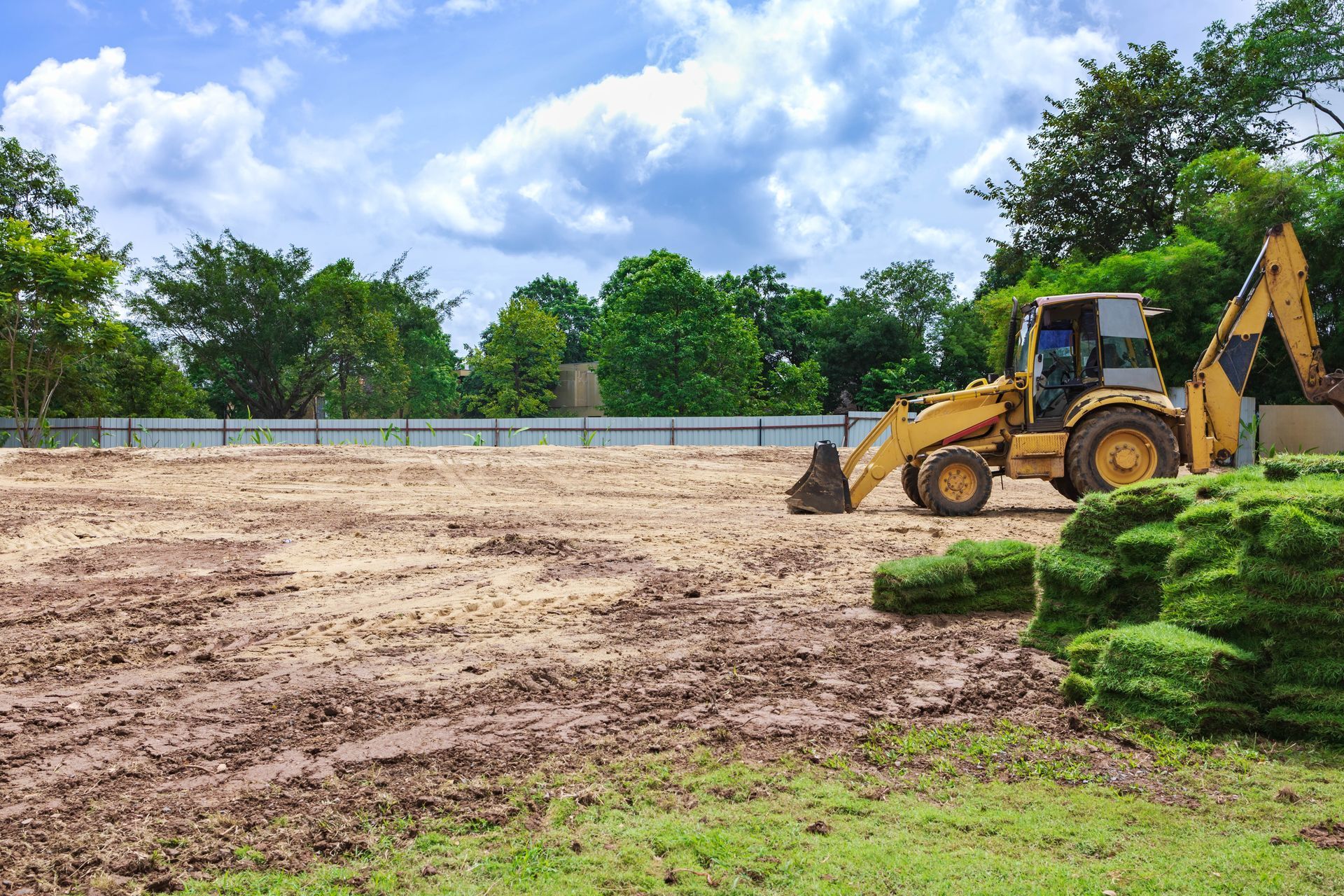
Delaying dirt work in Saskatchewan until late autumn is a gamble that rarely pays off for property owners. Once the local soil temperature drops, standard digging operations become significantly more difficult and expensive to execute. The heavy equipment operators at DMC Limited highly recommend completing all exterior dirt work before the frost sets deep into the clay. Tackling your fall excavation and trenching now saves you from paying premium rates for winter digging equipment.
Many construction schedules are ruined simply because utility trenches were left open too late into the season. Hardened soil requires specialized ripping teeth and thaws poorly, which compromises the structural integrity of the backfill. Taking action during the final warm weeks of the year ensures your underground utilities are safely buried and protected. Following a strict sequence of planning and execution gets the dirt moved before the weather shuts the site down.
Inside This Article:
- Stage 1: Assess Your Site Needs
- Stage 2: Schedule the Heavy Equipment
- Stage 3: Protect the Open Trenches
- Frequently Asked Questions
- Finalizing Your Site Prep
Stage 1: Assess Your Site Needs
The first phase of beating the freeze involves a strict inventory of exactly what needs to go underground. Overlooking a single utility line forces contractors to break frozen ground again in December.
• Utility Locates: Order municipal utility mapping immediately to identify the exact location of existing gas lines and buried cables.
• Depth Requirements: Review your building plans to confirm the required burial depth for new water and sewer lines.
• Soil Evaluation: Walk the property to identify areas of heavy clay that will hold moisture and freeze much faster than sandy patches.
• Project Alignment: Coordinate with your builders to ensure the concrete contractors are ready to pour foundations the moment the digging is done.
Stage 2: Schedule the Heavy Equipment
Securing a spot on an excavation roster requires moving aggressively as the autumn calendar closes out. Proper project management ensures these heavy assets arrive precisely when needed.
• Roster Deadlines: Book your digging machinery immediately because operators prioritize larger commercial contracts as the frost approaches.
• Equipment Sizing: Verify that the hired machinery has the breakout force required to handle soil that is already beginning to crust over at night.
• Spoils Placement: Plan exactly where the excavated dirt will sit on the property so it does not freeze into an unmovable boulder before backfilling.
► Attempting to dig through a solid frost layer takes three times as long and drastically increases the hourly wear and tear costs on the heavy machinery.
→ A quick tip to remember: Always instruct the operator to place the spoil piles on the sunniest side of the trench to keep the dirt workable.
Stage 3: Protect the Open Trenches
Once the dirt is removed, the exposed trench base must be defended against freezing overnight temperatures.
• Bedding Sand: Have your utility bedding sand delivered and tarped so it remains dry and unfrozen when it is time to lay the pipes.
• Insulating Blankets: Cover the bottom of open trenches with thermal curing blankets if the pipe installation is delayed by even one night.
• Groundwater Pumping: Remove any pooled rainwater from the trench immediately so it does not freeze into a solid block of ice around your fresh plumbing.
• Rapid Backfilling: Return the excavated soil into the trench the exact same day the utilities pass inspection to trap the latent earth heat.
Frequently Asked Questions
At what temperature can you no longer excavate soil?
Standard digging equipment becomes highly inefficient once daytime temperatures consistently stay below minus five degrees Celsius for several days. At this point, the moisture trapped in our heavy local clay freezes solid, turning the topsoil into a rigid barrier. Breaking through this crust requires frost teeth attachments or ground thawing heaters, which add massive daily surcharges to your project bill.
What is the frost line depth in Saskatchewan?
The frost line in our region routinely reaches depths of seven to eight feet during a harsh winter with minimal snow cover. This extreme penetration is why municipal water lines and main sewer connections must be buried significantly deeper here than in other provinces. Failing to trench below this critical depth guarantees that moving water will eventually freeze and burst the underground pipes.
Does frozen ground damage excavation equipment?
Slamming a standard digging bucket into a hardened frost layer causes severe damage to hydraulic cylinders and rapidly snaps the steel bucket teeth. The shockwaves from hitting frozen clay travel straight up the boom arm and can fracture the structural welds on the machine itself. Operators are forced to work at a fraction of their normal speed to prevent catastrophic equipment failures on winter job sites.
Finalizing Your Site Prep
Waiting to book your dirt work leaves your entire construction timeline at the mercy of unpredictable prairie weather. Securing your machinery and getting the pipes properly bedded now eliminates the stress of rushing against the frost line. Review your final site plans today and confirm exactly what needs to go underground before the snow flies. Contact our scheduling team immediately to secure your excavation slot before the ground locks up for the season.