Why Extra Attic Insulation Causes Roof Frost in Winter Homes
Adding extra batts or blown-in material to an attic seems like a direct fix when drafts start creeping through a home. At DMC Limited, we frequently see homeowners invest in new attic insulation projects only to discover thick layers of white frost coating the underside of their roof sheathing a few weeks later. The assumption is usually that the insulation material was defective or that roof vents failed. In reality, adding thermal protection without fixing air leaks creates the exact environment frost needs to build up.
When warm interior air bypasses the ceiling barrier, it carries indoor humidity straight into the cold attic cavity. The newly added insulation holds cold air near the roof deck, causing that warm moisture to freeze instantly on contact. Leaving this frost unchecked leads to severe wood rot, soaked drywall, and hidden mold growth once warmer temperatures arrive. Resolving this issue requires looking at how air movement, vapor barriers, and attic ventilation work as a complete system.
In this article:
● Moisture movement into cold spaces: How warm indoor air slips past ceiling penetrations.
● The role of air sealing: Why material depth cannot stop vapor movement on its own.
● Ventilation balance: How soffit and ridge vents sweep away trapped moisture.
● Recommended correction steps: What tradespeople do to eliminate roof frost safely.
How Warm Indoor Moisture Reaches Your Attic Space
Many property owners wonder, why is there frost in my attic after adding insulation? The answer lies in thermodynamics and air pressure. Warm air inside your living space holds moisture from cooking, showers, and humidifiers. Because warm air rises, it creates positive pressure against your top-floor ceiling. If that ceiling is not completely airtight, warm vapor forces its way up through tiny openings around pot lights, electrical boxes, bath fan housings, and attic access hatches.
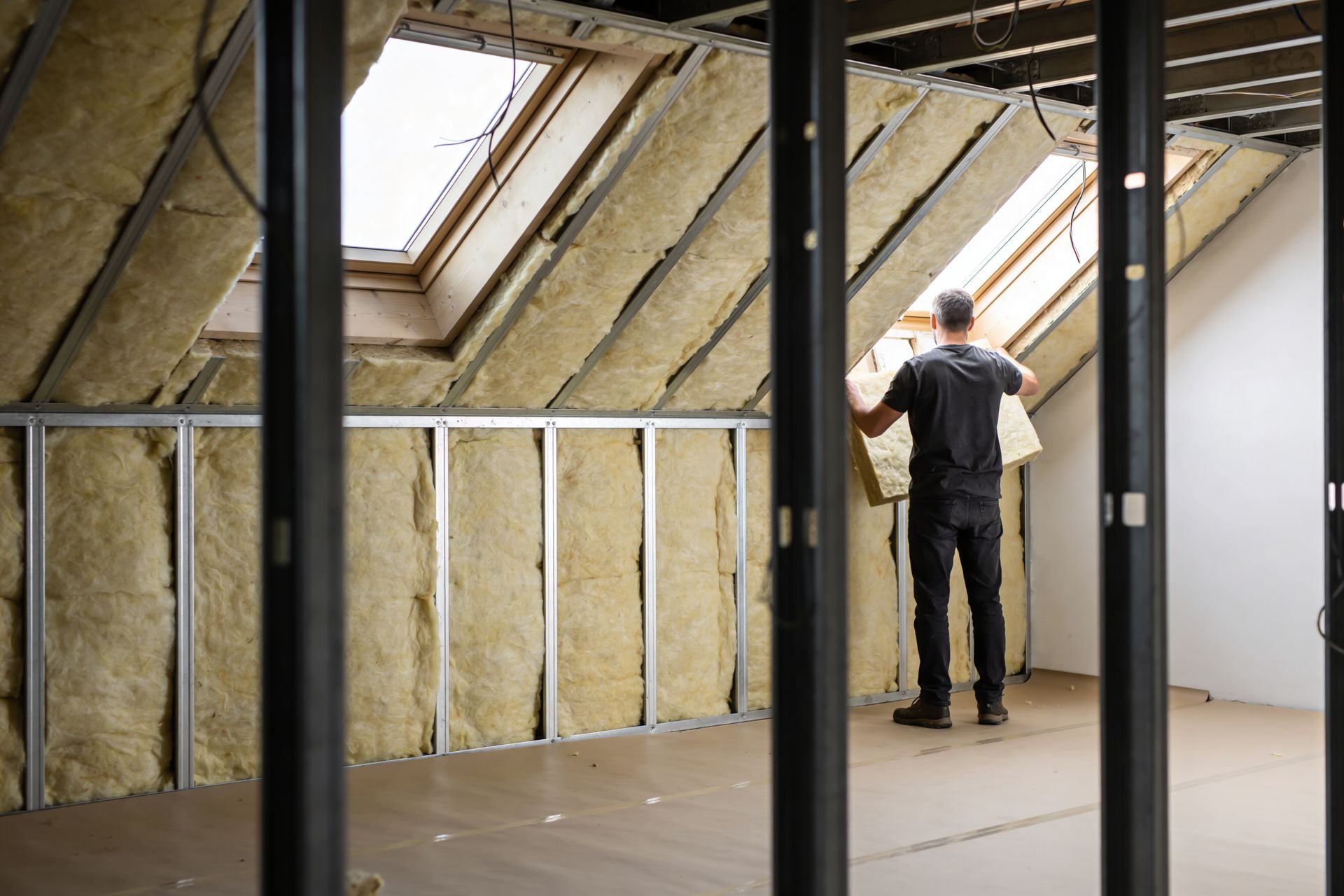
Before extra insulation is added, a certain amount of heat escapes into the attic space continuously. That lost heat keeps the attic air and roof sheathing slightly warmer, which often prevents indoor moisture from freezing into solid frost. Once you pile thick cellulose or fiberglass over the ceiling, that escaping heat is trapped inside your living quarters where it belongs. The attic space above the insulation becomes drastically colder, approaching the exact temperature of the outside air in regions like Tuxford or Caronport. When warm, humid air continues leaking past unsealed ceiling openings into that freezing attic, it condenses immediately on the cold plywood or OSB roof deck and turns into heavy frost.
Proper Attic Insulation Moose Jaw Practices That Stop Frost
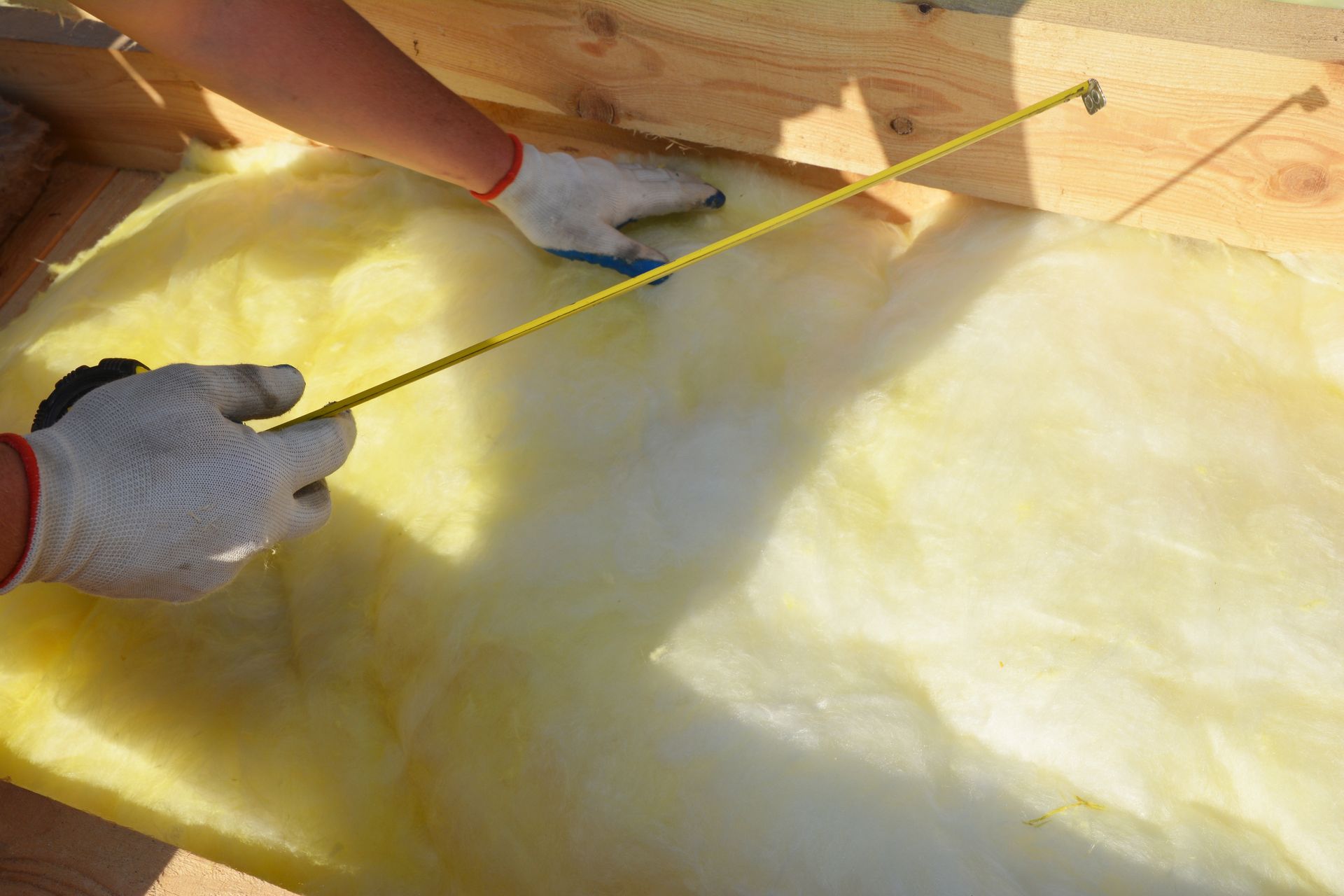
Thick insulation slows down heat transfer, but it does not stop airflow. Packing more insulation over an unsealed ceiling leak actually worsens frost formation by keeping the roof deck colder while doing nothing to stop moisture movement. A successful insulation upgrade requires sealing every single ceiling penetration before a single bag of insulation is blown into place.
Our insulation services begin with a complete inspection of the attic floor. Tradespeople use expanding foam, acoustical sealant, and specialized vapor barrier boots to lock down high-leak areas. Plumbing stacks, chimney chases, and open partition wall tops are major pathways for warm air. Sealing these bypasses stops moisture from entering the cold cavity regardless of outdoor weather conditions.
Balancing Roof Ventilation and Air Flow
Air sealing keeps moisture out, but proper ventilation ensures whatever small amount of humidity enters can escape. Cold air must flow freely into the attic through the soffits at the eaves, travel along the underside of the roof deck, and exhaust through ridge or turtle vents near the peak. This continuous airflow washes away stray moisture before it can settle and freeze.
When homeowners pile new insulation into the corners of their attic, they often accidentally block the soffit vents. Without intake air at the eaves, attic air stays stagnant, allowing frost to accumulate rapidly on the roof sheathing. Installing rigid insulation baffles along the rafter bays keeps the intake channels wide open, ensuring smooth airflow from the eaves to the peak.
Correcting Existing Frost Before Water Damage Occurs
Discovering frost in your attic during midwinter requires prompt action to prevent expensive ceiling repairs down the road. Scraping frost off roof boards is ineffective and can damage the wood structure. Instead, focus on stopping the warm air leak from inside the living space immediately.
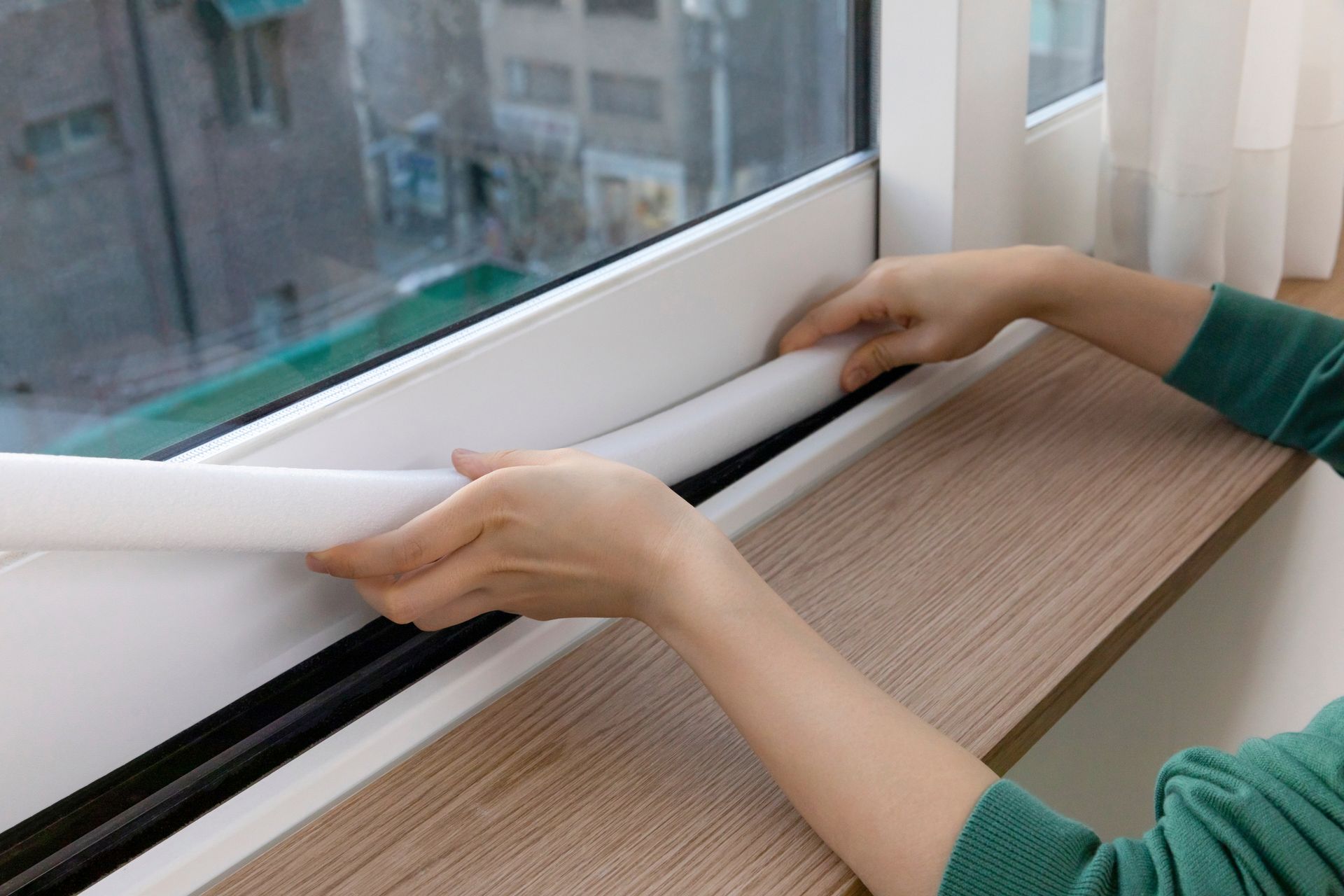
Inspect your attic access hatch first. Weatherstripping the hatch rim and attaching a rigid foam insulation board to the top of the cover stops a massive percentage of warm air loss. Check your bathroom exhaust fans to confirm they are vented directly through the roof with insulated ducting, rather than exhausting straight into the attic space. If moisture has already compromised ceiling drywall or framing, our interior construction services team can repair damaged structural elements and reinstate proper vapor barriers.
Steps to Protect Your Roof Sheathing This Winter
Addressing moisture sources and air leaks before adding insulation keeps your roof deck dry and your home warm all winter long. Contact DMC Limited to schedule a thorough attic and insulation evaluation for your property.