What You Must Check Before Upgrading Your Older Heating System
Replacing an old furnace or boiler with a high-efficiency unit is a significant investment for any property owner. The team at DMC Limited knows that simply dropping a new appliance onto an outdated piping or duct framework rarely delivers the fuel savings manufacturers promise. A modern unit relies heavily on proper air delivery, correct venting, and stable electrical supply to operate safely. Taking time to inspect supporting infrastructure before installation prevents premature equipment failure and unexpected labor costs.
Existing ductwork designed decades ago often lacks the size or seal required for high-efficiency blowers. Similarly, older hydronic piping can choke modern high-efficiency boilers with accumulated sediment and restricted flow. Addressing these hidden infrastructure issues ensures your new equipment runs smoothly from day one. Below are the primary mechanical areas every homeowner should evaluate prior to finalizing a system replacement.
What you will find below:
● Ductwork sizing and static pressure: How restricted airflow damages new furnace motors.
● Venting and chimney liners: Why high-efficiency exhaust needs dedicated PVC piping.
● Gas line and electrical capacity: Ensuring adequate supply for modern control boards.
● Hydronic piping and filtration: Protecting new boiler heat exchangers from debris.
● Preparing for a Successful Mechanical Installation: Key steps to complete before work begins.
Evaluating Ductwork Sizing and Airflow Resistance
When homeowners ask what do I need to fix before installing a new furnace, the return air system is almost always item number one. Older furnaces used low-speed blowers that tolerated restricted airflow. Modern variable-speed ECM motors move significantly higher volumes of air to maximize fuel efficiency. If your existing cold air return ducts are undersized or pinched, static pressure builds up inside the furnace cabinet.
High static pressure forces the blower motor to work harder, generating excessive noise, increasing electrical draw, and prematurely burning out the motor control board. In many older properties around Moose Jaw and Pasqua, expanding the main return drop or adding an additional return grill in living areas is required to allow the new furnace to breathe properly. Sealing leaky duct joints with mastic or foil tape also prevents basement air from diluting heated air destined for upper floors.
Key Inspections Needed Before a Heating System Upgrade
A successful heating system upgrade involves more than swapping mechanical cabinets in the mechanical room. Modern high-efficiency furnaces condense water vapor out of exhaust gases, meaning they can no longer vent up a traditional brick chimney or standard metal B-vent. They require dedicated PVC or CPVC piping routed directly through a side wall or roof penetration.
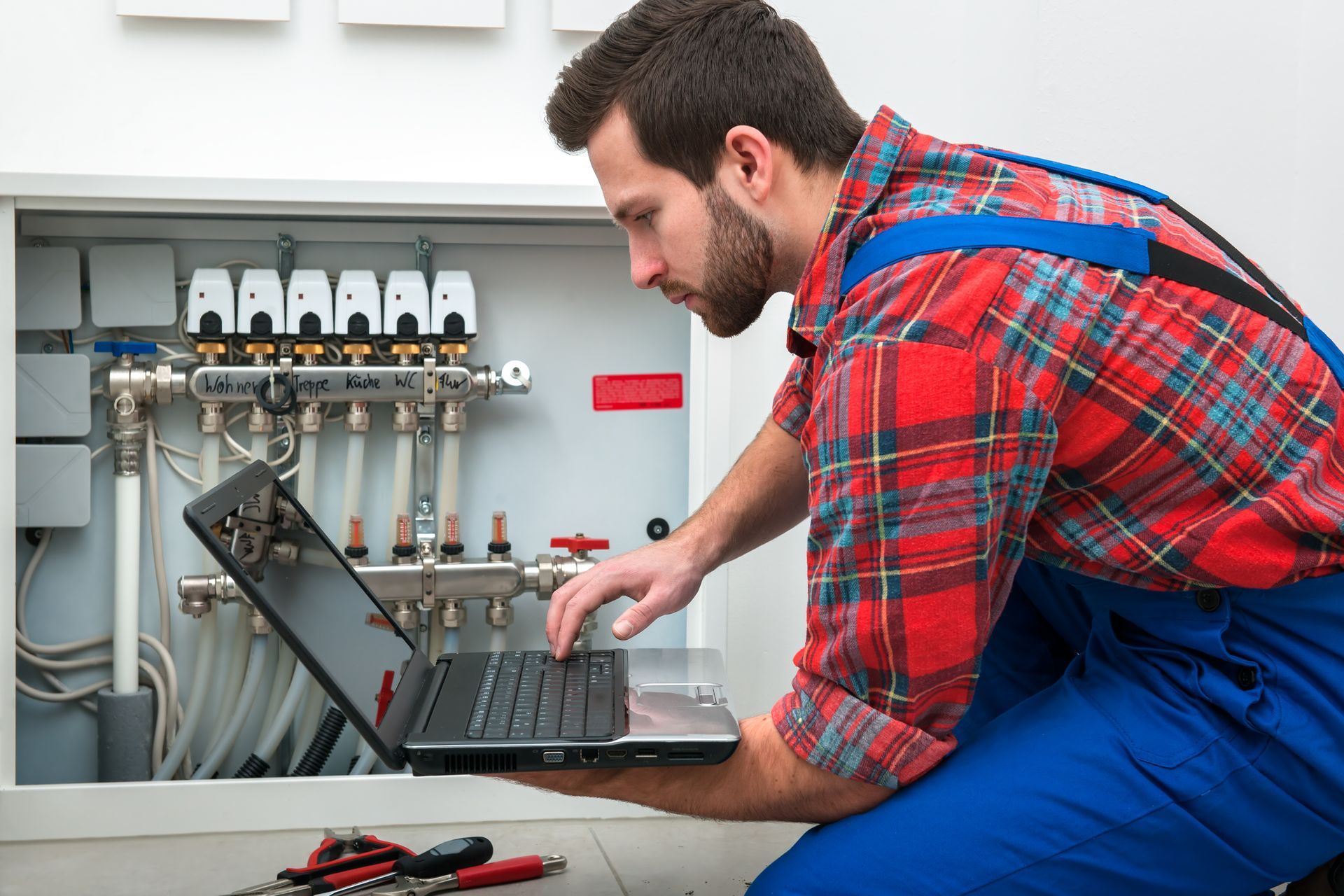
Existing gas supply lines must also be evaluated. High-efficiency units require precise gas pressure at the valve; undersized black iron pipe installed years ago may cause pressure drops when other gas appliances run simultaneously. Our plumbing and heating technicians check gas pipe sizing from the meter to the equipment room to verify safe volume delivery.
Protecting Modern Boilers and Hydronic Lines
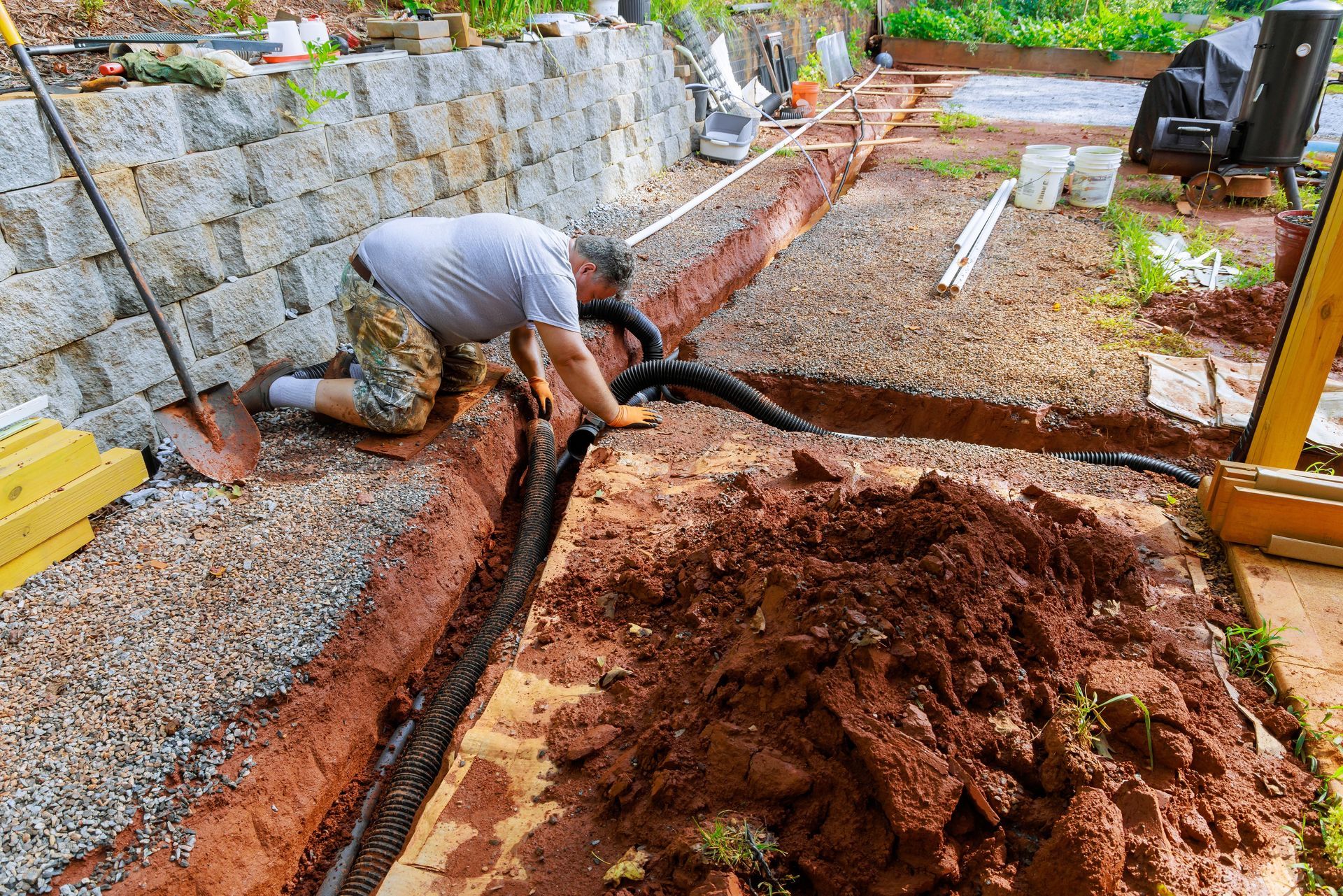
Properties utilizing boiler systems in communities like Mortlach or Caronport face specific infrastructure checks before upgrading heat sources. Modern condensing boilers feature compact heat exchangers with narrow internal water passages. If old iron rust, magnetite, or hard water scale circulates through a new boiler, those small passages plug quickly, causing local overheating and cracked heat exchangers.
Flushing the hydronic system completely before connecting new equipment is essential. Installing a magnetic dirt separator and a microbubble air eliminator on the return line catches residual debris before it reaches the boiler. Checking expansion tank sizing and replacing worn circulation pumps prevents pressure spikes that trigger relief valve leaks.
Coordinating Air Sealing with Equipment Sizing
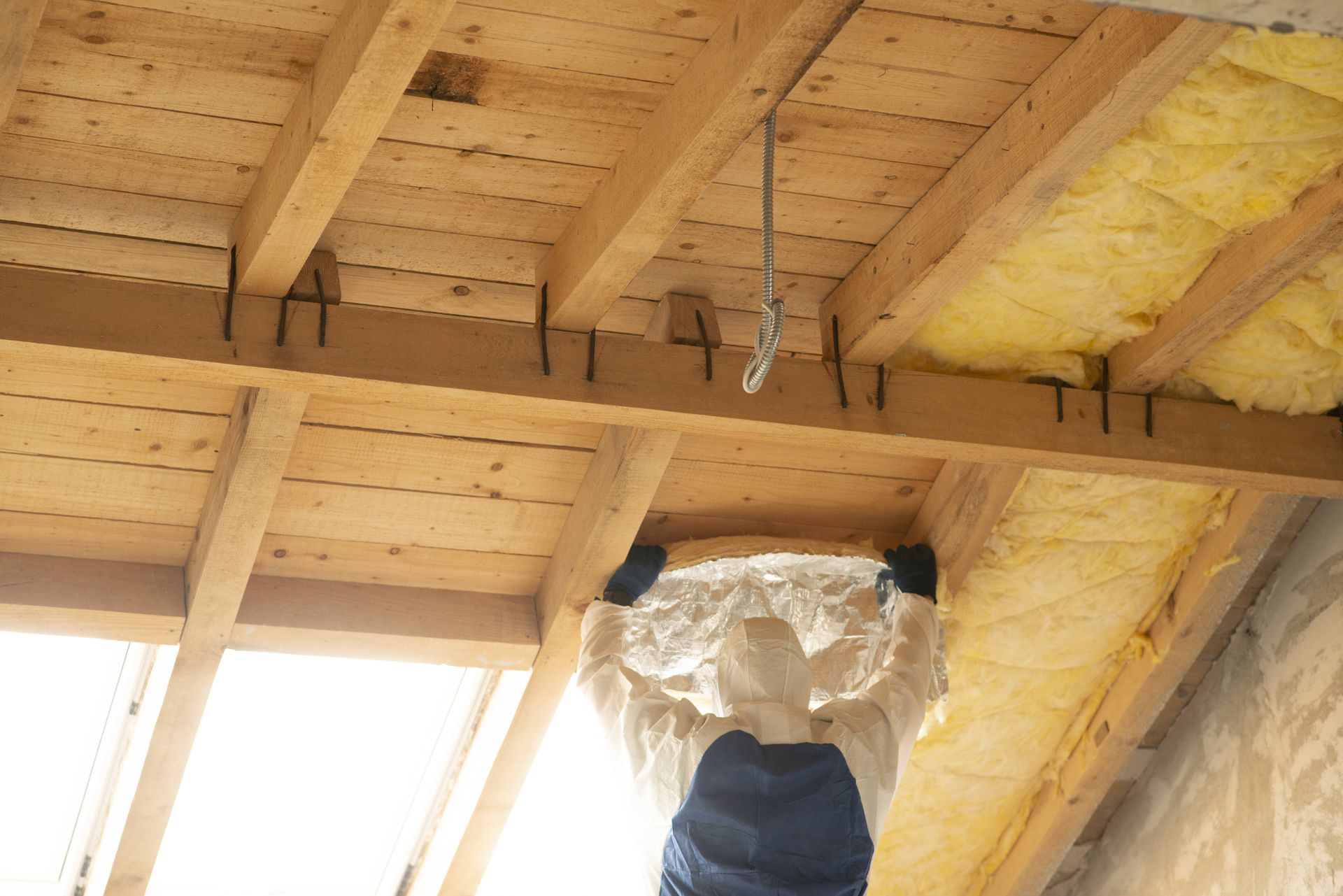
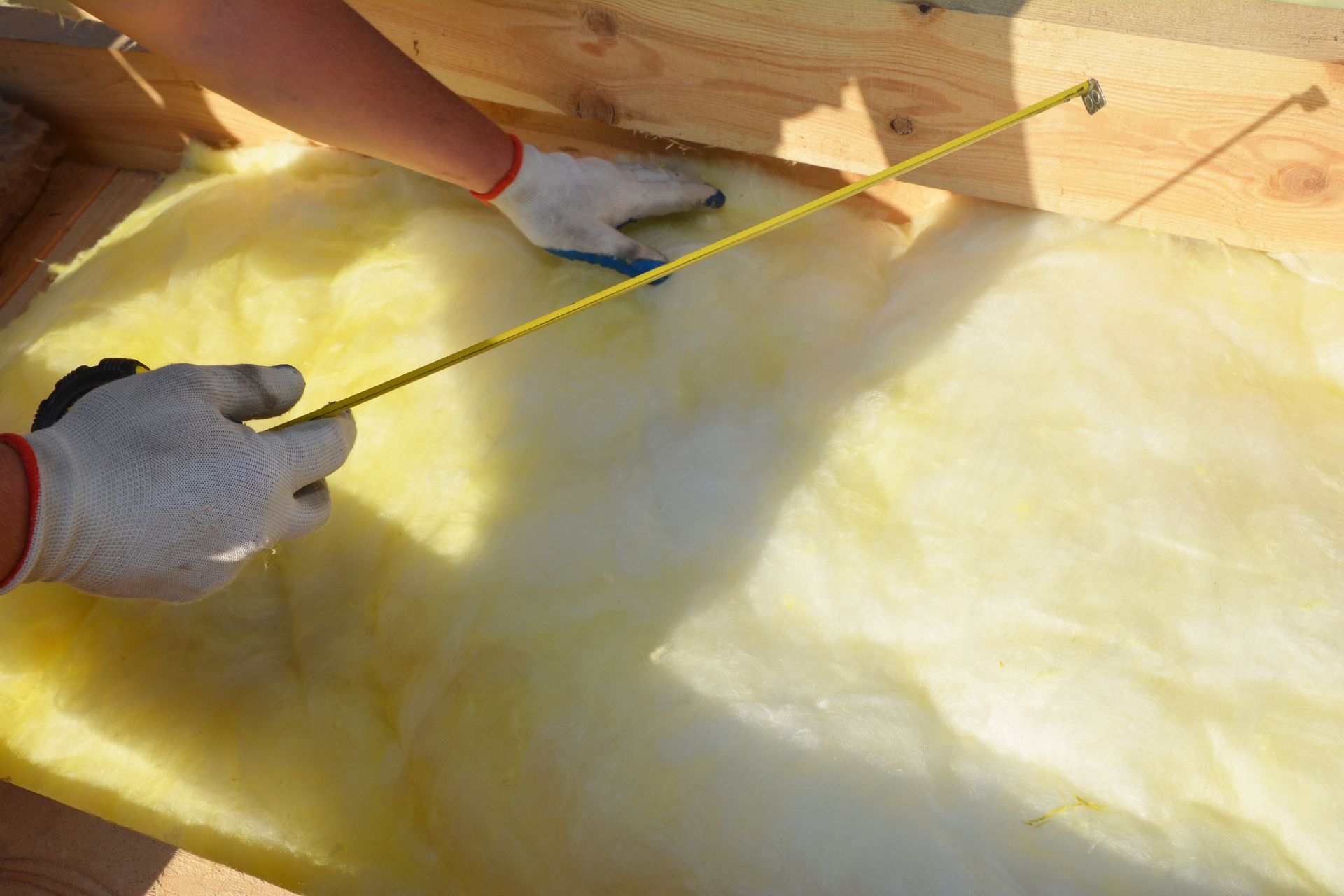
Replacing a furnace without evaluating building envelope draftiness often results in buying a larger heating unit than necessary. If you plan to hire insulation services to seal air leaks or add attic insulation in the near future, complete those building upgrades first.
A tighter, well-insulated home drastically reduces the heating load required to maintain indoor comfort. Sizing a new furnace based on an uninsulated home means the unit will short-cycle once insulation upgrades are completed later. Short-cycling causes rapid temperature swings, increases component wear, and defeats the energy-saving purpose of modern modulating gas valves. When a project involves structural modifications or utility room repositioning, our project management team ensures mechanical trades and framing crews coordinate schedules seamlessly.
Getting Your Property Ready for New Mechanical Equipment
Inspecting your distribution network and supply lines ensures your new mechanical equipment delivers maximum comfort and long-term efficiency. Reach out to DMC Limited to plan your mechanical upgrade with experienced trade professionals.